Rubbish removal near High Street Kensington W8: a practical local guide for homes, trades, and businesses
If you need Rubbish removal near High Street Kensington W8, you are usually not just trying to get rid of "some waste". You are trying to clear space, avoid disruption, stay on the right side of local rules, and get the job done without a fuss. In a busy part of West London, that can matter more than people expect. Flats are compact, access can be awkward, parking is rarely generous, and one overflowing corridor or pile of bags outside the door can turn into a headache very quickly.
This guide breaks the subject down in plain English. You will find out how rubbish removal typically works, when it makes sense, what to check before you book, and how to compare it with skip hire or other waste-clearance methods. There is also a checklist, a comparison table, and a few real-world examples so you can make a sensible decision without having to trawl through five different websites at 11pm. Let's face it, nobody enjoys that bit.
- Why rubbish removal in this area matters
- How the service works
- Main benefits and practical advantages
- Who it suits best
- Step-by-step guidance
- Expert tips for smoother clearance
- Common mistakes to avoid
- Tools, resources and recommendations
- Law, compliance and best practice
- Options and comparison table
- Real-world example
- Practical checklist
- Conclusion
- Frequently asked questions
Why Rubbish removal near High Street Kensington W8 Matters
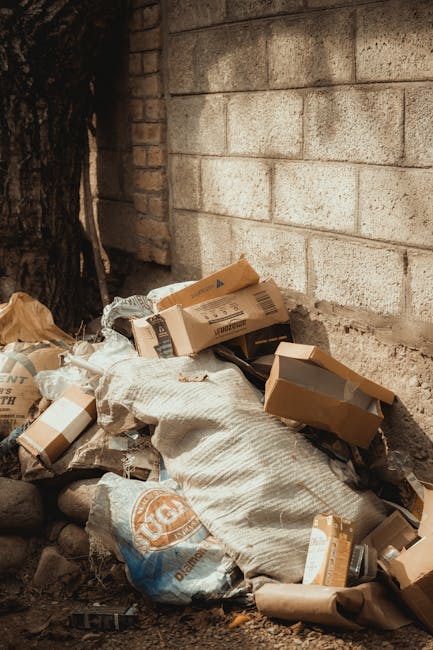
High Street Kensington sits in a part of London where convenience, appearance, and access all matter at the same time. If waste is left building up, the impact is not only visual. It can block hallways, attract pests, create odours, and make a property feel neglected in a matter of hours. In mixed residential and commercial streets, that pressure is even more noticeable.
For households, rubbish removal often comes down to timing. Perhaps you are moving out, clearing a spare room, or dealing with the aftermath of a renovation. For businesses, it might be an office refresh, retail fit-out, or routine clearance after a busy period. In both cases, local collection is often about getting something handled quickly and safely, not simply dumping a pile of bags somewhere else.
There is also a practical London angle. Access around central and west London can be tight, and that changes how waste must be collected. A job that looks simple on paper may need extra planning once you factor in loading space, lift access, stairs, permit issues, and the fact that traffic rarely seems in a hurry. If you want a more structured clearance approach, it can help to compare rubbish removal with man and van waste collection or wait and load skip hire depending on how much you need shifted.
How Rubbish removal near High Street Kensington W8 Works
In simple terms, rubbish removal means a team collects unwanted items or mixed waste from your property, loads it, transports it, and disposes of it through the appropriate route. The exact service can vary. Some providers collect a small load from a flat. Others deal with bulky furniture, DIY waste, office clearances, or heavier mixed loads from refurbishment work.
Most jobs start with a description of the waste. Be specific. A "few bags" can mean five black sacks to one person and twenty to another. If you mention items like a sofa, broken wardrobe, fridge, plasterboard, soil, or old carpet, the provider can judge the right vehicle, crew size, and disposal route. That saves time and avoids awkward surprises at the kerb.
For some customers, a straightforward collection is enough. For others, a more specialist service is better. Builders often need builders waste removal or builders skip hire. A shop or office may be better served by office clearance or commercial skip hire. A loft, garage, or garden job may need a different mix again.
The collection itself is usually quite straightforward on the day. The crew arrives, checks the waste, confirms the load, and removes it. If there are access issues, a good provider will already have discussed them. And that conversation matters more than people think. A narrow stairwell, a basement flat, or a shared entrance can easily add ten minutes or half an hour to a job.
Key Benefits and Practical Advantages
The biggest benefit is obvious: your space becomes usable again. But the real value is often in the smaller things around it. You save your own time, reduce physical strain, and avoid the mess of trying to stuff awkward items into a car or van that was never meant for the job.
Another benefit is flexibility. Rubbish removal can be a cleaner fit for small-to-medium jobs than placing a skip outside, especially where space is tight or a permit would complicate things. If you only need a one-off clearance, it can feel refreshingly simple. No standing around waiting for a skip to be filled. No wondering if someone will dump extra waste into it overnight. No looking out of the window every fifteen minutes like a nervous cat.
There is also a safety angle. Old furniture, broken shelving, sharp timber, and bagged debris can be awkward to move. Professional handling helps reduce the risk of cuts, strains, and damage to walls or floors. For bulky items, you may also want related services such as mattress and sofa disposal or fridge and appliance removal.
Practical summary: if you need quick clearance, limited disruption, and a team to handle awkward lifting, rubbish removal is often the most convenient option. If the waste is large, heavy, or ongoing, a skip or grab service may be better.
Who This Is For and When It Makes Sense
This kind of service suits a broad mix of people. A surprising number of jobs are not huge. They are just inconvenient. A few bulky items after a new sofa delivery, a flat clear-out before a tenancy change, or packaging and broken fixtures after a small refurbishment all fit neatly into rubbish removal territory.
It is often the right choice if you are:
- clearing a flat, maisonette, or townhouse
- dealing with bulky furniture or mixed household junk
- refreshing an office or small retail unit
- removing bagged waste after decluttering
- handling awkward access where a skip would be poor value
- looking for a same-day or short-notice option
It can also be useful when the volume of rubbish is too much for your own bin collection, but not enough to justify a full skip. That middle ground is where many people get stuck. They have more waste than a boot can handle, but not quite enough for a heavy-duty site setup. In that case, a local clearance team often feels like the sensible middle road.
For more complex projects, consider whether your job is actually better aligned with house clearance, garage and loft clearance, garden waste removal, or even site clearance. The right service saves money. It really does.
Step-by-Step Guidance
If you want the process to run smoothly, a bit of preparation goes a long way. Here is the cleanest way to handle it.
- Sort the waste into clear groups. Keep general rubbish separate from bulky items, electrical items, and anything potentially hazardous.
- List what is going. A simple note like "two armchairs, six bags, one broken desk, and some flat-pack packaging" is much better than "some junk".
- Check access. Think about stairs, lifts, loading bays, narrow entrances, parking, and whether the crew can reach the waste easily.
- Decide on the service type. For small mixed loads, a direct collection may be enough. For more regular or heavier jobs, compare with grab hire services or skip hire.
- Ask about exclusions. Certain items may need special handling, and it is better to know that before the team arrives.
- Confirm the timing. Same-day work is possible in some cases, but not every job needs it. Booking earlier can reduce stress and may improve availability.
- Keep the area clear. If the crew can reach the waste without moving half the room, the collection will usually be faster and cleaner.
One small but useful habit: take a quick photo of the waste before you book. It helps both sides understand the job. Not glamorous, but very effective.
Expert Tips for Better Results
To get better value and fewer headaches, think like the person who has to remove the waste. What looks simple from your side may be awkward from theirs. The more honest your description, the better the job will go.
Tip 1: Be exact about bulky items. A single wardrobe and a dismantled wardrobe are very different jobs. So are a standard mattress and a king-size one. Small detail, big difference.
Tip 2: Separate anything sensitive. If you have paperwork, branded materials, or files mixed in with general waste, use confidential shredding before or alongside clearance. It keeps things tidy and more secure.
Tip 3: Choose the right collection style. A compact job in a busy street might work better as a wait-and-load service. A heavier trade job may suit a skip or grab lorry instead. If you are unsure, asking for guidance is not a nuisance. It is usually appreciated.
Tip 4: Plan around building rules. Many managed properties have service entrances, lift rules, or restricted times. Check in advance. A five-minute conversation with a porter can save a full wasted trip later.
Tip 5: Think about recycling early. Good waste handling is not just removal. It is sorting what can be reused or recycled and making sure the rest is disposed of correctly. You can learn more through recycling and sustainability and waste recycling services.
And yes, sometimes the simplest advice is the best: clear the hallway first. It sounds obvious until you try to carry a bulky chair through a maze of shoes, plant pots, and cardboard from three months ago.
Common Mistakes to Avoid
The biggest mistakes usually come from guessing. Guessing the amount of waste. Guessing the access. Guessing what can be taken. Guessing sounds harmless, but it is often where the delays begin.
- Underestimating volume. Waste piles up quickly once you start sorting. What looks like one small pile can turn into a serious load.
- Mixing in restricted items. Fridges, certain chemicals, paint, and other special materials may need separate handling. If in doubt, ask first and avoid the headache later.
- Ignoring access constraints. Tight staircases, road restrictions, and parking pressure can change the service needed.
- Waiting until the last minute. Same-day collection is handy, but if your job is planned, a bit of lead time is usually better.
- Choosing on price alone. The cheapest quote is not always the best if it hides access charges, exclusions, or unclear service limits.
Another quiet mistake is not checking the operator's wider service scope. If the job is mixed or unusual, the provider may also offer muck away services, construction waste disposal, or demolition waste removal. That can be the difference between one tidy collection and three half-finished ones.
Tools, Resources and Recommendations
You do not need fancy equipment for most domestic clearances. Still, a few simple things make life easier.
- Heavy-duty bin bags for light mixed waste and loose items
- Moving blankets or cardboard to protect floors and corners
- Basic gloves if you are sorting sharp or dusty items
- A tape measure for bulky furniture and tight access points
- Phone photos to help explain the load clearly
- A short written inventory if the job involves several rooms
If you are comparing service types, these pages are useful starting points: skip sizes and prices, what can go in a skip, and book online. For bigger jobs that need a more structured approach, construction waste clearance and enclosed and lockable skip hire may be worth a look.
If you want a more tailored price discussion, use pricing and quotes. That is often the quickest way to compare options without playing guessing games.
Law, Compliance, Standards, or Best Practice
Waste removal in the UK is not just about convenience. There are legal and environmental expectations around how waste is handled, transported, and disposed of. You do not need to memorise legislation to book a clearance, but you should expect the provider to take compliance seriously.
As a customer, the main practical point is this: be careful about what you hand over, and ask how it will be handled. Reputable operators should be able to explain where the waste goes in general terms, how they separate recyclable material, and how they deal with items that need specialist attention. For sensitive jobs, health and safety policy and insurance and safety pages are helpful indicators of how seriously a company takes the work.
Some items need extra caution. Electrical appliances, sharp waste, and anything that could leak or contaminate other materials should not be treated as ordinary rubbish. The same goes for items that may be classed as hazardous. If your load includes unusual materials, speak to the provider first and consider hazardous waste disposal. Better to pause and check than to create a problem that becomes expensive later.
For businesses, secure handling of documents and office contents can matter just as much as physical clearance. That is where confidential shredding and office clearance can fit neatly into a compliant process. Quietly efficient, which is exactly what most offices want.
Options, Methods, or Comparison Table
If you are not sure which route is best, compare the main methods side by side. The right answer depends on the type of waste, the amount, and the access at your property.
| Method | Best for | Strengths | Things to watch |
|---|---|---|---|
| Rubbish removal | Mixed household waste, bulky items, one-off clearances | Fast, hands-off, minimal effort for the customer | May be less economical for very large volumes |
| Skip hire | Projects with steady waste over several days | Good for ongoing jobs, easy to fill at your pace | Space, permits, and access may be an issue |
| Wait and load | Sites with no room for a skip | Useful where parking or permits are difficult | Needs you to be ready when the team arrives |
| Grab hire | Heavy waste, soil, rubble, construction loads | Strong for bulky or weighty material | Requires suitable access and is not ideal for delicate indoor clearance |
| Man and van | Smaller clearances and flexible collections | Handy for compact loads and tighter schedules | Not always the best fit for very heavy site waste |
If your job sits between two options, that is normal. Many people in the W8 area find themselves choosing between a small clearance and a more structured waste solution. When in doubt, read the service detail pages carefully or compare with same day skip hire if the job is urgent.
Case Study or Real-World Example
Here is a realistic example. A couple in a flat just off High Street Kensington had three bags of household rubbish, a dismantled bookcase, an old office chair, and a broken chest of drawers waiting in the hallway. Nothing dramatic. Just enough to be annoying. They had been postponing the job for two weeks because the thought of hiring a van felt like too much effort.
They first assumed a skip was the obvious answer. But there was no good place to put one outside, and the building's access made the idea less practical than it sounded. After checking options, they chose a simple collection service. The crew arrived, carried items down carefully, and cleared the whole load in one visit. The hallway looked bigger immediately. You could hear the lift doors, someone's radio in a nearby flat, and then suddenly the clutter was gone. That small moment of relief is often what people remember most.
What made the difference? Clear information before booking. The customer described the items accurately, mentioned the access, and checked whether the desk and drawers needed to be dismantled in advance. The result was smoother, quicker, and probably cheaper than improvising on the day.
For a bigger renovation job, the answer may have been different. If the waste had included plasterboard, timber offcuts, or rubble, a service like construction waste disposal or builders waste removal would likely have made more sense. Same area. Different job. That distinction matters.
Practical Checklist
Use this before you book, and you will avoid most of the common friction points.
- Have I listed every item clearly?
- Do I know whether the waste is household, commercial, DIY, or mixed?
- Is there anything that needs separate handling, such as electronics, appliances, or confidential materials?
- Have I checked access, stairs, lifts, and parking?
- Do I need a fast collection or can I book ahead?
- Would a skip, grab hire, or wait and load option be better value?
- Have I protected floors, walls, and shared areas where needed?
- Have I asked about any exclusions before the team arrives?
- Do I know how payment and booking work?
- Have I looked at the provider's policies on safety, insurance, and recycling?
Quick take: the smoother the handover, the smoother the collection. Simple as that.
Get a free quote today and see how much you can save.
Conclusion
Rubbish removal near High Street Kensington W8 is at its best when it is simple, tidy, and well matched to the job. For a small flat clearance, a bulky-item collection, or an urgent one-off load, it can be the most straightforward solution. For heavier or ongoing work, another service may be a better fit. The key is choosing based on access, volume, and waste type rather than guessing.
If you plan ahead a little, describe the waste clearly, and use the right service for the scale of the job, you will usually save yourself time, stress, and a fair bit of lifting. And that, honestly, is the real win. A clear room. A clear hallway. A bit of breathing space again.
When the clutter's gone, the whole place feels lighter. That's often the nicest part.
Frequently Asked Questions
What does rubbish removal near High Street Kensington W8 usually include?
It usually covers the collection, loading, transport, and disposal of unwanted household, commercial, or mixed waste. Exact inclusions vary, so it is worth describing the load properly before booking.
Is rubbish removal better than skip hire in W8?
It depends on the job. Rubbish removal is often better for one-off, compact, or access-sensitive clearances. Skip hire can suit longer projects or ongoing waste. If you are unsure, compare the size of the load and the access available.
Can I book a same-day collection?
In some cases, yes. Same-day collection is often possible for suitable jobs, but availability depends on workload, access, and the type of waste. It is usually best to enquire as early as you can.
What items are commonly removed from homes near High Street Kensington?
Typical items include furniture, bagged junk, cardboard, old appliances, wardrobe parts, mattresses, and general clutter from decluttering or moving. More specialist items may need separate handling.
Do I need to sort the waste before collection?
Basic sorting helps a lot. Separate anything sensitive, hazardous, or especially bulky. The clearer the load, the smoother and faster the collection tends to be.
What if I have a fridge or washing machine to remove?
Appliances often need specific handling. It is best to mention them in advance and use a suitable service such as fridge and appliance removal rather than leaving them mixed in with general rubbish.
Can rubbish removal handle office clearances too?
Yes, many providers handle business waste as well. For desks, chairs, files, and general office contents, office clearance can be a good fit, especially if you need a clean and organised handover.
How do I know if I need hazardous waste disposal?
If the waste includes chemicals, certain paints, oily materials, or other potentially risky items, ask before booking. When in doubt, treat it as a specialist matter and confirm the safest route with the provider.
Will the team carry items from inside my property?
Often, yes, but it depends on the service and the access. That is why it helps to mention stairs, lifts, and any awkward entry points when you book. Surprises on the day are never ideal.
How can I get the best value from rubbish removal?
Be accurate about the volume, choose the right service type, and avoid last-minute changes. Photos, measurements, and a short list of items can help you get a more accurate quote first time around.
Is rubbish removal suitable for construction waste?
It can be, but only if the provider accepts that type of waste and the load is suitable. Heavier site waste may be better handled through construction waste disposal, builders waste removal, or grab hire services.
What should I do before the collection arrives?
Clear access routes, separate any items that need special handling, and make sure the crew can reach the waste easily. A few minutes of prep usually makes the whole job faster and less stressful.
How do I choose a trustworthy provider?
Look for clear pricing, sensible service descriptions, safety information, and straightforward booking terms. Pages like about us, terms and conditions, payment and security, and complaints procedure can give you a useful feel for how a company operates.